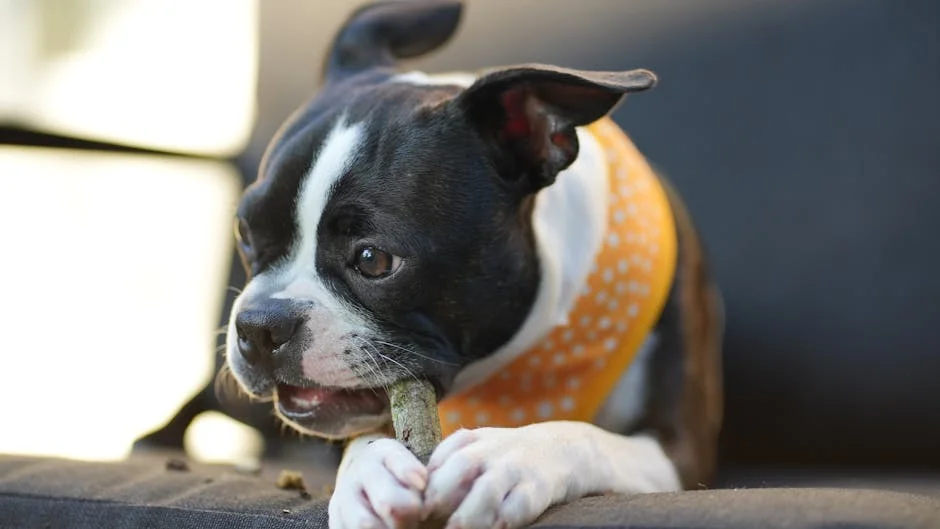
What Is in a Bully Stick: Ingredients and Safety

Affiliate disclosure: Some links on this page are affiliate links. If you buy through them we earn a small commission at no extra cost to you. Recommendations are research-driven; we don't claim personal use of every product reviewed. Product prices and availability are accurate as of the date published and are subject to change. Always check Amazon for current pricing before purchasing. Learn more.

Quick Picks
Natural Farm Bully Sticks, Odor-Free, (6 Inch, 12 Ounces), Packaged by Weight, 100% Beef Pizzle Chews, Grass-Fed, Fully
Odor-free formula reduces unpleasant smell during chewing
Buy on AmazonNatural Beef & Bully Sticks
Natural beef and bully sticks provide high-protein chewing options
Buy on AmazonMighty Paw Naturals Bully Sticks for Small & Medium Dogs - Grass Fed Beef Chews. Bully Sticks for Large Dogs. Lower
Grass fed beef source suggests higher quality ingredient sourcing
Buy on Amazon| Product | Price Range | Top Strength | Key Weakness | Buy |
|---|---|---|---|---|
| Natural Farm Bully Sticks, Odor-Free, (6 Inch, 12 Ounces), Packaged by Weight, 100% Beef Pizzle Chews, Grass-Fed, Fully also consider | $$ | Odor-free formula reduces unpleasant smell during chewing | 6-inch size may be consumed quickly by larger dogs | Buy on Amazon |
| Natural Beef & Bully Sticks also consider | $$ | Natural beef and bully sticks provide high-protein chewing options | Single-ingredient chews may have limited appeal to selective dogs | Buy on Amazon |
| Mighty Paw Naturals Bully Sticks for Small & Medium Dogs - Grass Fed Beef Chews. Bully Sticks for Large Dogs. Lower also consider | $$ | Grass fed beef source suggests higher quality ingredient sourcing | Single-ingredient chews offer limited nutritional variety per treat | Buy on Amazon |
Bully sticks are one of the simpler chews on the market: single ingredient, minimal processing, long shelf life. What most people want to know is what they’re actually made of and whether that composition holds up under scrutiny the way it does under a dog’s jaw. The answer matters differently depending on the dog you’re working with.
For working dogs specifically, chew selection isn’t just about palatability. It’s about safety profile, duration, and what the chew does to the dog’s arousal and digestive state. Those aren’t abstract concerns. They show up in the work.
What Is in a Bully Stick
A bully stick is a dried, processed bull or steer pizzle. That is the complete ingredient list. Pizzle is the anatomical term for the penis of a bull or steer. The tissue is primarily muscle fiber and connective tissue, which means it’s high in protein and relatively low in fat compared to other animal-based chews.
Processing varies by manufacturer. The drying method, whether oven-baked, air-dried, or smoked, affects both the odor profile and the finished hardness. The source animal and its diet, grass-fed versus grain-fed, affects the fat content and to some degree the smell. Grass-fed sourcing consistently produces a leaner product with a milder odor in owner reports, which is one reason it’s become a selling point in the mid-range and premium segments.
For anyone building out a chew rotation for a working dog, the Chews & Treats section has additional breakdowns on chew types, duration estimates, and sourcing considerations worth reading alongside this.
Composition Breakdown: Protein, Calories, and What They Contain
Protein Content
Bully sticks are primarily protein, averaging around 80 to 85 percent crude protein on a dry matter basis depending on the source and drying process. That’s higher than most processed treats and on par with other single-ingredient animal chews. The protein profile is largely collagen and muscle fiber, not a complete amino acid source the way a whole food meal is, but not nutritionally negligible either.
For working dogs on high-output days, a bully stick isn’t moving the needle on protein intake meaningfully. The quantities are too small relative to daily dietary needs. The nutritional significance comes more from what it is not: no grain fillers, no artificial preservatives, no binding agents. Single ingredient means nothing to read past the first line of the label.
Fat and Caloric Density
Bully sticks carry more caloric load than many owners expect. Estimates vary by brand and product thickness, but a standard 6-inch stick from a grass-fed source typically carries somewhere in the 80 to 150 calorie range. Thicker sticks run higher. That matters for dogs on a controlled diet, dogs prone to weight gain, or working dogs where body condition directly affects performance.
Grass-fed sourcing leans toward the lower end of that fat range. Grain-fed or mixed-source products tend to run higher in saturated fat content. The difference isn’t dramatic, but for a dog getting a bully stick daily over months, it’s worth factoring into overall caloric management.
What Makes Them Smell
The odor issue with bully sticks is real and the source is organic. The drying process concentrates the natural compounds in the tissue, and the result is a smell that most people find unpleasant indoors. Odor-free or low-odor versions typically run through an additional processing step, often a lower-temperature or longer oven bake that reduces the volatile compounds without fully neutralizing the scent. They are not odorless. They are noticeably less offensive than standard-processed versions.
Verified buyers of odor-free products consistently note that the smell difference is meaningful in an enclosed space, particularly with a dog who takes thirty minutes or more on a single stick.
Sourcing and What It Tells You
Grass-fed and grain-fed are the two sourcing categories you’ll see most consistently. Grass-fed means the animal’s primary diet was pasture grass rather than feedlot grain. This affects the fatty acid profile (higher omega-3 ratio in grass-fed), the fat content (leaner overall), and in most owner reports, the odor intensity during chewing.
Free-range and pasture-raised are terms that appear on some labels without a standardized definition in this product category. They’re worth noting but not worth weighting heavily without more specific sourcing information from the manufacturer. Domestic versus imported sourcing matters more than most people realize, not for nationalism but for consistency: domestic suppliers face tighter processing standards and tend to produce more consistent sizing and hardness in field reports from working dog communities.
Country of origin is worth checking on any bully stick label. Some lower-priced products don’t state it clearly, which is a signal worth noticing.
Buying Guide: What to Look For
Thickness and Dog Size
Thickness is the most practical variable in bully stick selection. A thin bully stick on a large-breed working dog disappears in under five minutes, which is not a meaningful chew session and carries a higher finishing-fast choking risk. Verified buyer reports across multiple brands note that standard thickness works for medium-sized dogs but that large breeds consistently finish faster than expected.
Buying by weight rather than piece count is increasingly common in the mid-range category, and it benefits the buyer who understands what they’re purchasing. A weight-packed bag from a consistent supplier means the thickness variance is lower than a count-packed bag where individual pieces vary widely. For structured crate sessions, consistent thickness matters because it predicts duration.
Odor Profile and Indoor Use
If a dog is getting their chew session inside, in a crate or a confined space, odor-free formulations are worth the modest price premium. The processing step that reduces odor doesn’t meaningfully affect palatability in most owner reports, and the difference in household smell over a multi-week period is significant enough that verified buyers reliably note it as a deciding factor in repeat purchases.
Standard bully sticks are fine for outdoor use or dogs with exclusively outdoor chew areas. For indoor work, particularly crate enrichment sessions, the odor-free category is practical rather than optional.
For a broader look at chew types and how to structure a rotation for working or high-drive dogs, the working dog chew and treat category covers more ground on duration, hardness, and enrichment sequencing.
Sourcing Transparency and Single-Ingredient Standards
A bully stick should have one ingredient. If the label lists anything beyond beef pizzle, including natural flavors, glycerin, or preservatives, it’s no longer a single-ingredient chew. That matters for dogs with food sensitivities and for owners who want to know exactly what they’re putting in front of their dog.
Grass-fed designation combined with a clear country of origin is the minimum sourcing transparency worth looking for in the mid-range category. Premium products often go further with specific ranch sourcing or third-party testing claims. Whether those matter for your dog depends on how closely you’re managing diet composition.
Safety Profile and Supervision
No chew should be given without an initial supervised period to observe how the individual dog interacts with it. This is not a disclaimer. It’s working practice. A dog who bites aggressively through a bully stick to the last inch needs a Bully Stick holder or close monitoring to prevent swallowing the stub. Owner reports consistently flag stub-swallowing as the primary safety concern with bully sticks across all brands.
Duration matters here too. A chew that finishes in ten minutes on a large-breed dog creates a stub-swallowing risk earlier than a chew that takes thirty minutes. Appropriate thickness for the dog’s size reduces this risk, and removing the last inch before it reaches swallowing size is standard practice for anyone running structured chew sessions.
Top Picks
Natural Farm Bully Sticks, Odor-Free
Natural Farm Bully Sticks, Odor-Free, (6 Inch, 12 Ounces) is a single-ingredient grass-fed beef pizzle stick that addresses the odor problem directly. Verified buyers consistently report that the low-odor processing makes a meaningful difference in enclosed spaces compared to standard processing, while palatability stays consistent. The 6-inch size is appropriate for medium-sized dogs and works well for crate enrichment sessions where a 20 to 30-minute duration is the target.
The packaging-by-weight model creates some piece count variability, which is worth knowing before the first order. Buyers expecting a fixed number of sticks per bag occasionally note surprise at piece count variation. The tradeoff is that weight-packed bags from a consistent source tend to have lower thickness variance than count-packed products, which matters for predicting chew duration.
Grass-fed sourcing puts this in the leaner, lower-odor end of the bully stick spectrum, and owner reports on repeat purchase rate are high. For working dog owners managing indoor chew sessions, the odor-free designation earns its place in the rotation.
Koda’s structured crate periods during foundation work are where this size category fits best. Verified owner reports on duration for medium-weight dogs align with what structured chew session data suggests: 20 to 30 minutes for a 6-inch stick at standard thickness, which is a useful enrichment window without requiring extended supervision.
Check current price on Amazon.
Natural Beef and Bully Sticks
Natural Beef and Bully Sticks occupies a slightly different category: a natural beef and bully combination that provides variation in texture and taste profile within the single chew. Verified buyers note that the dual-ingredient approach works well for selective dogs who lose interest in a consistent texture over time.
The natural beef component adds a different protein texture alongside the pizzle, which changes the chewing pattern for some dogs. Owner reports indicate this works particularly well for medium-energy dogs who need engagement variation to stay with a chew through the full session rather than abandoning it partway through.
The cost-per-session runs higher than baseline processed treats, which is consistent with natural single-source products across the category. For owners prioritizing ingredient simplicity and sourcing transparency, that premium is well-established in field reports as expected rather than surprising.
Check current price on Amazon.
Mighty Paw Naturals Bully Sticks
Mighty Paw Naturals Bully Sticks for Small and Medium Dogs positions on grass-fed sourcing and size-appropriate options across the range from small to large breed. The grass-fed designation points toward the leaner, lower-fat end of the bully stick spectrum, consistent with other grass-fed products in this category.
Verified buyers note that the size-range coverage is useful for multi-dog households where chew size needs to scale differently across dogs. The single-ingredient formulation holds: 100% beef pizzle without additives. Owner reports on palate acceptance are strong across breed sizes, and the mid-range price band keeps this accessible for regular rotation use rather than occasional treat use.
For working dog owners running structured chew sessions across dogs of different sizes, the ability to source from one brand with confidence in consistent processing across sizes reduces the management complexity of maintaining multiple product lines.
Check current price on Amazon.
Frequently Asked Questions
What is a bully stick actually made of?
A bully stick is made from 100% beef or steer pizzle, which is the animal’s penis. It’s a muscle and connective tissue product that is cleaned, stretched, and dried. The single-ingredient composition is what distinguishes it from processed treats that use multiple ingredients, binders, or artificial preservatives. No additional ingredients are added in a standard bully stick product.
Are bully sticks safe for puppies?
Bully sticks are generally considered appropriate for puppies over 10 to 12 weeks with developing dentition, provided the size is matched to the puppy’s jaw and the session is supervised. The risk with puppies is finishing the stick down to a stub quickly and swallowing it whole. Removing the last inch before it becomes a swallowing risk is the standard safety practice. Soft-to-medium firmness products are better suited to puppy jaw strength than extra-thick or harder-dried versions.
Why do bully sticks smell so bad?
The odor comes from organic compounds concentrated during the drying process. The tissue contains naturally occurring compounds that become more volatile when dried. Odor-free or low-odor versions go through an additional processing step that reduces but does not eliminate these compounds. The smell is more pronounced indoors and in enclosed spaces, which is why odor-free formulations are worth the price premium for dogs who chew inside or in crates.
How many calories are in a bully stick?
Caloric content varies by thickness and length, but a standard 6-inch grass-fed bully stick typically runs in the 80 to 150 calorie range. Thicker sticks run at the higher end. For dogs on caloric-controlled diets or working dogs where body condition is monitored closely, bully stick calories should be factored into daily intake. Grass-fed products tend toward the lower end of the fat and calorie range compared to grain-fed sourcing.
How do I keep a dog from swallowing the last piece?
The most practical approach is removal. When a bully stick reaches approximately one to one-and-a-half inches in length, take it away before it becomes small enough to swallow whole. Bully stick holders, silicone grips designed to hold the stub, are available and reduce the risk for dogs who guard the last piece. Supervision during the final portion of the chew session is the most reliable safety measure regardless of what other tools are used.
<script type="application/ld+json">
{
 "@context": "https://schema.org",
 "@type": "FAQPage",
 "mainEntity": [
 {
 "@type": "Question",
 "name": "What is a bully stick actually made of?",
 "acceptedAnswer": {
 "@type": "Answer",
 "text": "A bully stick is made from 100% beef or steer pizzle, which is the animal's penis. It's a muscle and connective tissue product that is cleaned, stretched, and dried. The single-ingredient composition is what distinguishes it from processed treats that use multiple ingredients, binders, or artificial preservatives. No additional ingredients are added in a standard bully stick product."
 }
 },
 {
 "@type": "Question",
 "name": "Are bully sticks safe for puppies?",
 "acceptedAnswer": {
 "@type": "Answer",
 "text": "Bully sticks are generally considered appropriate for puppies over 10 to 12 weeks with developing dentition, provided the size is matched to the puppy's jaw and the session is supervised. The risk with puppies is finishing the stick down to a stub quickly and swallowing it whole. Removing the last inch before it becomes a swallowing risk is the standard safety practice. Soft-to-medium firmness products are better suited to puppy jaw strength than extra-thick or harder-dried versions."
 }
 },
 {
 "@type": "Question",
 "name": "Why do bully sticks smell so bad?",
 "acceptedAnswer": {
 "@type": "Answer",
 "text": "The odor comes from organic compounds concentrated during the drying process. The tissue contains naturally occurring compounds that become more volatile when dried. Odor-free or low-odor versions go through an additional processing step that reduces but does not eliminate these compounds. The smell is more pronounced indoors and in enclosed spaces, which is why odor-free formulations are worth the price premium for dogs who chew inside or in crates."
 }
 },
 {
 "@type": "Question",
 "name": "How many calories are in a bully stick?",
 "acceptedAnswer": {
 "@type": "Answer",
 "text": "Caloric content varies by thickness and length, but a standard 6-inch grass-fed bully stick typically runs in the 80 to 150 calorie range. Thicker sticks run at the higher end. For dogs on caloric-controlled diets or working dogs where body condition is monitored closely, bully stick calories should be factored into daily intake. Grass-fed products tend toward the lower end of the fat and calorie range compared to grain-fed sourcing."
 }
 },
 {
 "@type": "Question",
 "name": "How do I keep a dog from swallowing the last piece?",
 "acceptedAnswer": {
 "@type": "Answer",
 "text": "The most practical approach is removal. When a bully stick reaches approximately one to one-and-a-half inches in length, take it away before it becomes small enough to swallow whole. Bully stick holders, silicone grips designed to hold the stub, are available and reduce the risk for dogs who guard the last piece. Supervision during the final portion of the chew session is the most reliable safety measure regardless of what other tools are used."
 }
 }
 ]
}
</script>Where to Buy
Natural Farm Bully Sticks, Odor-Free, (6 Inch, 12 Ounces), Packaged by Weight, 100% Beef Pizzle Chews, Grass-Fed, FullySee Natural Farm Bully Sticks, Odor-Free,… on Amazon