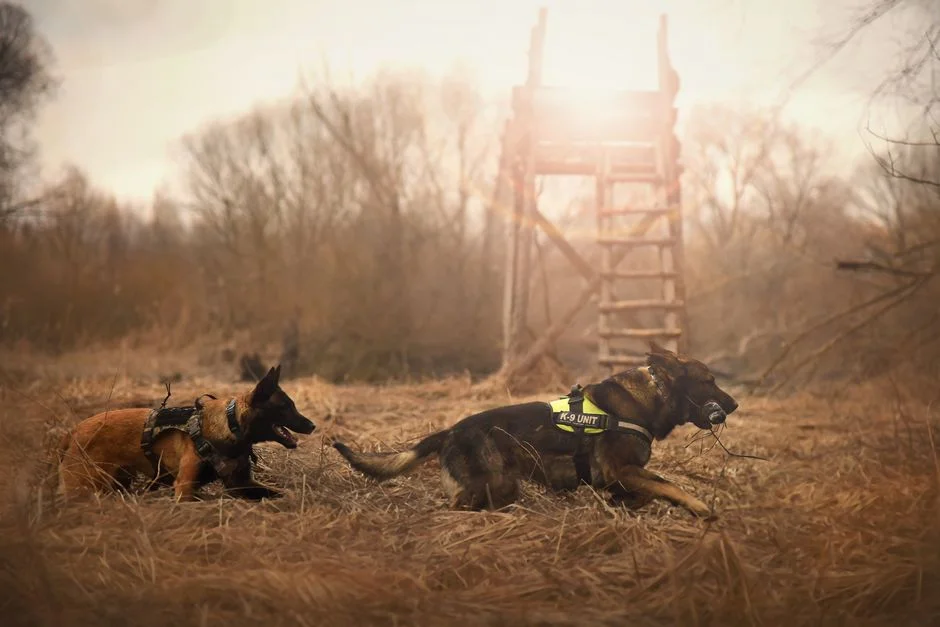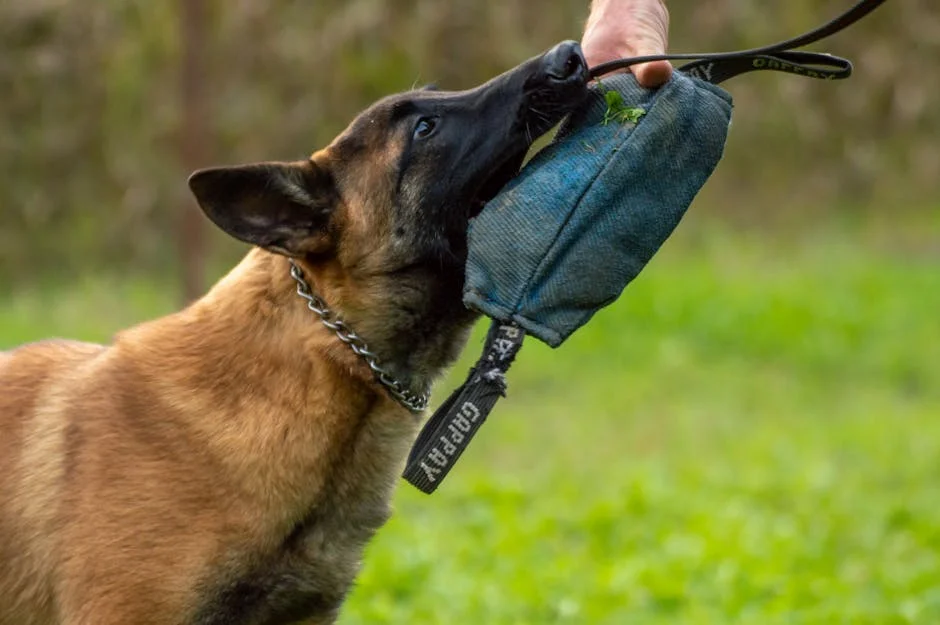
How to Clicker Train a Dog: Structured Reference Guide

Affiliate disclosure: Some links on this page are affiliate links. If you buy through them we earn a small commission at no extra cost to you. Recommendations are research-driven; we don't claim personal use of every product reviewed. Product prices and availability are accurate as of the date published and are subject to change. Always check Amazon for current pricing before purchasing. Learn more.

Quick Picks
Clicker Training for Dogs: Master Basic Training, Common Cues, and Fun Tricks in 15 Minutes a Day
Clicker training method provides clear feedback mechanism for dogs
Buy on AmazonClicking with Your Dog: Step-by-Step in Pictures (Karen Pryor Clicker Books)
Step-by-step pictures provide visual learning guidance for clicker training
Buy on AmazonClick and Connect: A Real-World Guide to Clicker Training for You and Your Pup
Focuses on clicker training, a scientifically-backed positive reinforcement method
Buy on Amazon| Product | Price Range | Top Strength | Key Weakness | Buy |
|---|---|---|---|---|
| Clicker Training for Dogs: Master Basic Training, Common Cues, and Fun Tricks in 15 Minutes a Day also consider | $$ | Clicker training method provides clear feedback mechanism for dogs | Book format requires owner reading and interpretation skill | Buy on Amazon |
| Clicking with Your Dog: Step-by-Step in Pictures (Karen Pryor Clicker Books) also consider | $$ | Step-by-step pictures provide visual learning guidance for clicker training | Book format requires reading and interpretation versus hands-on instruction | Buy on Amazon |
| Click and Connect: A Real-World Guide to Clicker Training for You and Your Pup also consider | $$ | Focuses on clicker training, a scientifically-backed positive reinforcement method | Book-based format requires reading and interpretation versus hands-on equipment | Buy on Amazon |
Clicker training is one of the more reliable methods for building clear communication between handler and dog, and it works across a wide range of working dog disciplines. The mechanism is simple: a distinct sound marks the exact moment a dog performs the behavior you want, and that marker bridges the gap between the behavior and the reward. Timing is everything, and the clicker gives you a precision tool that a verbal “yes” often can’t match.
The books covered below are mid-range resources aimed at handlers who already understand why marker training matters and want a structured reference. For a broader look at what fits alongside these resources, the Training Equipment hub is worth bookmarking.
What Clicker Training Actually Does
Before getting into specific resources, it’s worth being clear about the mechanism. Clicker training is an application of operant conditioning, specifically positive reinforcement paired with a conditioned secondary reinforcer. The clicker is not the reward. It is a marker. It tells the dog “that behavior, right there, is what earned you the treat.” The clicker works because dogs can learn to associate the sound with incoming reinforcement, and because the sound is faster and more consistent than a verbal marker.
Verbal markers work too. Plenty of working dog handlers use “yes” or a similar word. But a clicker is physically faster than speech, it sounds the same every time regardless of your mood or stress level, and it does not carry the tonal variation that verbal cues sometimes carry unintentionally. For precision work, those small differences matter.
This method is not limited to pet obedience. I use a tone button on the PRO 550 as a remote marker during tracking work with Hektor. Same principle: distinct sound, consistent, bridges time and distance between the behavior and the reinforcement. The underlying mechanics of marker training are the same whether you’re working on a nose-down tracking indication at 30 meters or a simple sit-stay in your living room.
How to Clicker Train a Dog: The Core Process
Loading the Clicker
Before the clicker means anything to a dog, you have to “load” it. This means pairing the click sound with reinforcement repeatedly until the dog hears the click and immediately anticipates the reward. A few short sessions, typically five to ten clicks paired with a high-value treat each, are usually enough to establish the association. You will know the loading is working when the dog’s head turns toward you on the click before you’ve even moved your hand.
Keep these sessions short. Two minutes is enough. Running a new dog through 30 repetitions in a single sitting is not more efficient, it’s just more likely to produce a dog who’s too full to care about the reward.
Marking the Behavior
The click has to land at the moment the behavior happens, not after, not before. If you’re working on a sit, the click fires the instant the dog’s rear hits the ground, not when the dog has been sitting for a second. If your timing is off by half a second, you may be reinforcing the moment the dog begins to shift its weight, not the sit itself. This is why handlers with timing problems often get sloppy behavior: they’re reinforcing approximations and don’t realize it.
Practice your click timing without the dog first if you need to. Click when a ball hits the floor. Click when a door closes. Get the motor reflex down before you add the dog.
Building Behavior Chains
Once a dog understands that the click means something is coming, you can shape complex behaviors by clicking successive approximations. You don’t start with a finished behavior. You click the first rough version, then raise the criteria incrementally. This is called shaping. It requires patience and a clear picture in your mind of what the finished behavior looks like, because you need to know when you’ve gotten far enough to raise the bar.
Session length matters here. Fifteen-minute daily sessions, which some of the resources below specifically structure around, are generally more productive than an hour-long session once a week. Dogs consolidate learning between sessions.
Top Picks: Clicker Training Books Worth Owning
Clicker Training for Dogs: Master Basic Training, Common Cues, and Fun Tricks in 15 Minutes a Day
Clicker Training for Dogs: Master Basic Training, Common Cues, and Fun Tricks in 15 Minutes a Day structures its content around short daily sessions, which is one of the more practical design decisions a training book can make. Verified buyers note that the 15-minute daily session format makes consistent practice achievable for handlers with demanding schedules, and that the coverage moves usefully from basic foundation cues through fun tricks without skipping the mechanics that make marker training work.
The limitation here is the same one that applies to any book-format resource: the method depends entirely on the handler’s reading comprehension and ability to translate written instruction into physical timing. Owner reviews indicate that handlers who already have some foundation in positive reinforcement get more out of it than complete beginners, which tracks with what the structure suggests. The book covers a lot of ground, and a reader who struggles with timing will still struggle after reading about it.
For mid-range coverage of the fundamentals, this one holds up well based on what verified buyers report. The session structure alone is worth something to handlers who tend to over-train.
Check current price on Amazon.
Clicking with Your Dog: Step-by-Step in Pictures (Karen Pryor Clicker Books)
Clicking with Your Dog: Step-by-Step in Pictures (Karen Pryor Clicker Books) comes from Karen Pryor, who is about as credentialed a source as you’ll find on the subject of operant conditioning applied to animal training. Her work on dolphin training and her later writing on clicker training for dogs contributed substantially to how the working dog community understands secondary reinforcers. That pedigree matters when you’re choosing a reference resource.
The visual format here is the distinguishing feature. Spec data and reader reports both point to the same strength: the step-by-step pictures give handlers a reference for body position and timing cues that written descriptions often miss. Field reports from working dog owner communities suggest this one is particularly useful for visual learners or handlers who process physical instruction better than prose description.
The limitation is real: pictures can show you what to do, but they cannot account for what your specific dog does in response. Individual behavioral variation, especially in high-drive working breeds, is where any book-format resource hits its ceiling. Still, as a mid-range reference for clicker mechanics, this is one of the more reliable sources available.
Check current price on Amazon.
Click and Connect: A Real-World Guide to Clicker Training for You and Your Pup
Click and Connect: A Real-World Guide to Clicker Training for You and Your Pup is positioned as a practical application resource rather than a theory-first text. Verified buyers note that the real-world framing keeps the content grounded in what actually happens during a training session rather than what the science says should happen in ideal conditions, which is a meaningful distinction for handlers working with dogs outside of controlled environments.
The “for you and your pup” framing is a little softer in tone than the other two resources here, but owner reviews suggest the practical content is substantive. Based on buyer feedback, this one works well as a companion to a more mechanics-focused resource rather than a standalone reference for experienced handlers. It is noted in field reports from positive reinforcement training communities as a good entry point for handlers who are newer to clicker work but are treating it seriously.
Worth noting: the book describes methods that require a clicker and a food reward system, so the implementation cost is not contained to the book itself. That is true of all three resources here, but this one is more explicit about needing additional tools.
Check current price on Amazon.
Buying Guide: Choosing a Clicker Training Resource
Know What You’re Actually Looking For
Not every clicker training book is written for the same handler. Some are structured for pet owners working on household manners. Others are written for handlers building working behavior, tracking, detection, or sport foundation. Before choosing a resource, be honest about which category your work falls into and whether the book’s scope matches your application.
Owner reviews and verified buyer reports are more useful here than marketing copy. A book described as “comprehensive” may cover 40 behaviors at surface depth rather than 10 behaviors with the mechanical detail a serious handler needs. Check what experienced handlers in your specific discipline are actually citing.
Visual vs. Prose Instruction
Clicker training depends on physical timing, and physical timing is easier to learn visually than through written description. A book with detailed step-by-step pictures, like the Pryor resource above, covers ground that prose alone can’t. If you know you’re a visual learner or if you’ve struggled to translate written training instruction into usable physical skill, the format of a resource matters as much as its content.
This is also where Training Equipment resources beyond books become relevant. A resource that includes video links or companion content can close the gap that static pictures leave.
Session Structure and Real-World Application
Short daily sessions outperform infrequent long ones for behavior learning. A resource that structures its content around 10 to 15 minute daily sessions is giving you a training plan, not just information. That structural decision is worth factoring into your choice, particularly if your schedule is inconsistent.
Field reports from positive reinforcement training communities consistently show that handlers who follow structured session plans maintain better timing and cleaner behavior criteria than those who train opportunistically. The book format works best when it gives you a plan to follow, not just a method to understand.
Matching the Resource to the Dog
Working breeds and high-drive dogs sometimes require adjustment to standard clicker training protocols. The reinforcement value of food rewards varies dramatically between a low-drive retriever and a young Malinois who’d rather be doing something physical. Owner reviews for all three resources above note that the books address standard training populations, so handlers working with protection sport dogs, tracking dogs, or field dogs may need to supplement with breed-specific or sport-specific guidance.
I’m still in foundation work with Koda and I’m explicit that my Malinois experience is developing, not established. What I can say from the working dog community broadly: marker training works across breeds, but reinforcement selection and session design need to match the individual dog’s drive level and working style.
What Books Cannot Replace
No book replaces a qualified trainer watching you work. Books transfer information. They do not give feedback on your timing, your reward delivery mechanics, or the way your dog is reading your body language. Verified buyers for all three resources above note the same limitation: the method requires consistent handler practice, and practice quality matters more than hours logged.
Use these resources as references and frameworks, not as substitutes for qualified in-person instruction when you hit a problem you can’t diagnose yourself. The broader working dog training equipment landscape includes resources beyond books, and a solid mentor or structured class will close gaps that reading alone won’t.
Frequently Asked Questions
Does clicker training work for working breeds like German Wirehaired Pointers, Dutch Shepherds, or Malinois?
Marker training works across working breeds, but the implementation needs to match the dog’s drive level and temperament. High-drive dogs often require higher-value reinforcement and shorter sessions to stay below threshold and keep the training productive. Spec data and field reports from sport dog communities confirm that the clicker mechanism itself is breed-neutral, but reinforcement selection and session design are not. Owner reviews for the resources above note that adaptation is required for working dogs.
How long does it take to “load” a clicker so a dog understands what it means?
Most handlers report that loading the clicker takes two to five short sessions of five to ten repetitions each. The association between click and reward is established through classical conditioning, and dogs typically acquire it quickly once the pairing is consistent. Verified buyers of clicker training resources note that the loading phase is often faster than expected, but that inconsistent reinforcement delivery during loading slows the process. Keep the food reward coming immediately after the click during this phase.
Can I use a verbal marker instead of a clicker?
Verbal markers work and many working dog handlers use them exclusively. The clicker’s advantage is consistency: it sounds identical every time regardless of your emotional state, tone, or stress level, and the mechanical click is faster than spoken language. Field reports from handler communities indicate that verbal markers are more practical for off-leash distance work where a clicker would require an extra hand. Both methods rely on the same underlying operant conditioning mechanics.
How many minutes per day should I be training with a clicker?
Verified buyers of structured clicker training resources consistently report better results with 10 to 15 minute daily sessions than with longer infrequent sessions. Dogs consolidate learned behavior between sessions, and fatigue or satiation during long sessions degrades reinforcement value and handler timing. Multiple short sessions per day outperform a single long one if your schedule allows. The session structure built into some of the resources above reflects this, and it’s one of the more practically useful design decisions a training book can make.
Do I need a specific type of clicker, or does the tool itself matter?
The clicker itself is simple: any device that produces a consistent distinct sound will work. Box clickers, button clickers, and clicker apps all function on the same principle. What matters more than the specific tool is consistency in the sound it produces and ease of use in your hand during a training session. Some handlers with grip limitations find button clickers easier than box clickers. The books reviewed above are compatible with any standard clicker format and do not require a proprietary tool.
<script type="application/ld+json">
{
 "@context": "https://schema.org",
 "@type": "FAQPage",
 "mainEntity": [
 {
 "@type": "Question",
 "name": "Does clicker training work for working breeds like German Wirehaired Pointers, Dutch Shepherds, or Malinois?",
 "acceptedAnswer": {
 "@type": "Answer",
 "text": "Marker training works across working breeds, but the implementation needs to match the dog's drive level and temperament. High-drive dogs often require higher-value reinforcement and shorter sessions to stay below threshold and keep the training productive. Spec data and field reports from sport dog communities confirm that the clicker mechanism itself is breed-neutral, but reinforcement selection and session design are not. Owner reviews for the resources above note that adaptation is required for working dogs."
 }
 },
 {
 "@type": "Question",
 "name": "How long does it take to load a clicker so a dog understands what it means?",
 "acceptedAnswer": {
 "@type": "Answer",
 "text": "Most handlers report that loading the clicker takes two to five short sessions of five to ten repetitions each. The association between click and reward is established through classical conditioning, and dogs typically acquire it quickly once the pairing is consistent. Verified buyers of clicker training resources note that the loading phase is often faster than expected, but that inconsistent reinforcement delivery during loading slows the process. Keep the food reward coming immediately after the click during this phase."
 }
 },
 {
 "@type": "Question",
 "name": "Can I use a verbal marker instead of a clicker?",
 "acceptedAnswer": {
 "@type": "Answer",
 "text": "Verbal markers work and many working dog handlers use them exclusively. The clicker's advantage is consistency: it sounds identical every time regardless of your emotional state, tone, or stress level, and the mechanical click is faster than spoken language. Field reports from handler communities indicate that verbal markers are more practical for off-leash distance work where a clicker would require an extra hand. Both methods rely on the same underlying operant conditioning mechanics."
 }
 },
 {
 "@type": "Question",
 "name": "How many minutes per day should I be training with a clicker?",
 "acceptedAnswer": {
 "@type": "Answer",
 "text": "Verified buyers of structured clicker training resources consistently report better results with 10 to 15 minute daily sessions than with longer infrequent sessions. Dogs consolidate learned behavior between sessions, and fatigue or satiation during long sessions degrades reinforcement value and handler timing. Multiple short sessions per day outperform a single long one if your schedule allows. The session structure built into some of the resources above reflects this, and it is one of the more practically useful design decisions a training book can make."
 }
 },
 {
 "@type": "Question",
 "name": "Do I need a specific type of clicker, or does the tool itself matter?",
 "acceptedAnswer": {
 "@type": "Answer",
 "text": "The clicker itself is simple: any device that produces a consistent distinct sound will work. Box clickers, button clickers, and clicker apps all function on the same principle. What matters more than the specific tool is consistency in the sound it produces and ease of use in your hand during a training session. Some handlers with grip limitations find button clickers easier than box clickers. The books reviewed above are compatible with any standard clicker format and do not require a proprietary tool."
 }
 }
 ]
}
</script>Where to Buy
Clicker Training for Dogs: Master Basic Training, Common Cues, and Fun Tricks in 15 Minutes a DaySee Clicker Training for Dogs: Master Bas… on Amazon